
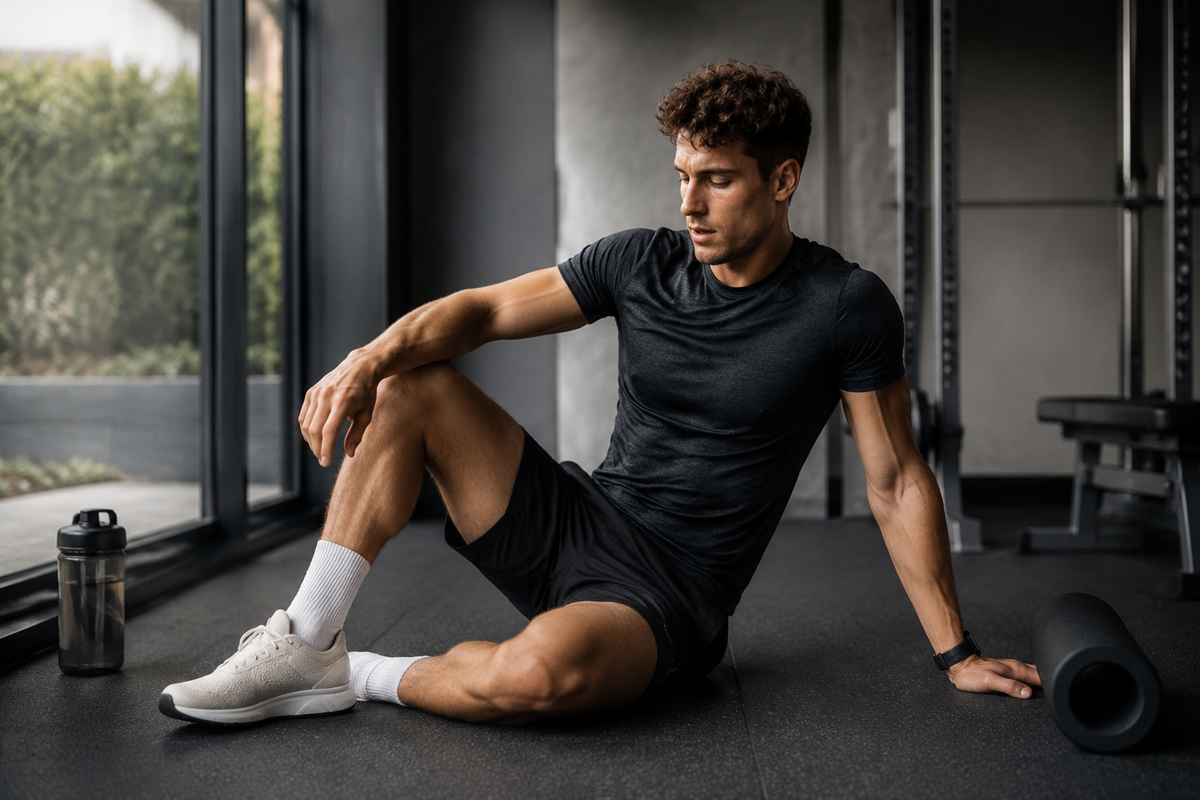
Recovery advice can become a second workout: stretch, roll, plunge, compress, heat, track and optimise. When the list is too long, people either abandon it or use devices while skipping sleep, food and sensible training.
A routine that works begins with a decision tree. It changes when there is an injury sign, and it stays simple when the body is merely tired.
Step 1: screen the symptoms
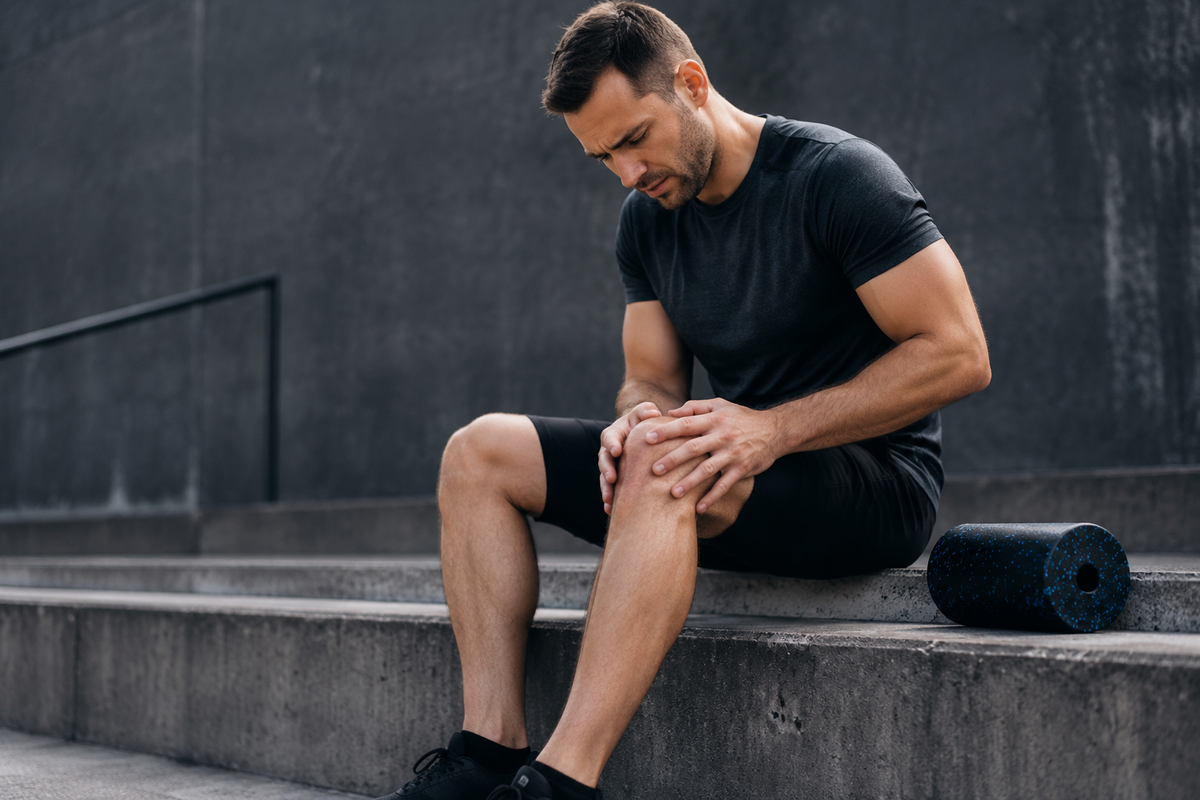
Ask whether there was a specific injury event and look for severe pain, swelling, deformity, loss of function, instability, numbness or feeling unwell. Concerning symptoms move you out of the lifestyle-recovery lane and into appropriate healthcare.
Do not use a device to see whether you can make the warning sign disappear.
Step 2: restore the foundations
Drink, eat, cool down, change and protect sleep. Adjust the next training dose if the current one exceeded your capacity. These habits influence every product choice that follows.
Choose a realistic bedtime and prepare the environment. A perfect recovery gadget cannot reverse a chronically overloaded schedule.
Step 3: select one goal
If the goal is quiet lower-body downtime, compression boots may fit. If it is non-acute local warmth, choose a region-specific wearable. If cold-water immersion suits the athlete and programme, prepare it safely.
One clear goal prevents random stacking. Track the next-day response so the ritual produces information as well as sensation.
Step 4: make the routine frictionless
Store equipment clean, charged and easy to reach. Attach the session to a stable cue, such as after the final meal or shower, and set a conservative timer.
Review the routine every few weeks. Remove anything that adds cost or complexity without improving comfort, consistency or decision-making.
Why this Phase One product was chosen
Phase One Recovery offers targeted options rather than one device for every situation: PhaseFlow for lower-body compression, PhaseFlex for knees, PhaseWrap for calf or knee, PhasePulse for shoulders, PhaseCore for lumbar comfort and PhaseChill for planned cold-water immersion. Choose by goal and suitability, not by the belief that more tools mean faster healing. You can also compare it with PhaseCore™ Lumbar Recovery System when a different recovery method better matches the goal.
Explore PhaseFlow™ Leg Compression Recovery System — wearable air-compression boots created for structured lower-body recovery and post-training downtime.
Visit Phase One Recovery to compare the full at-home recovery range.
Safety note
This article provides general educational information and is not medical advice. Phase One Recovery products are wellness and comfort devices; they do not diagnose, treat, cure or prevent injury or disease. Do not use a recovery device to delay assessment or mask symptoms before activity. Follow the product instructions and seek advice from a GP, physiotherapist, pharmacist or NHS 111 when symptoms are severe, worsening, unexplained or persistent. Call 999 for an emergency.

Leave a comment
This site is protected by hCaptcha and the hCaptcha Privacy Policy and Terms of Service apply.