
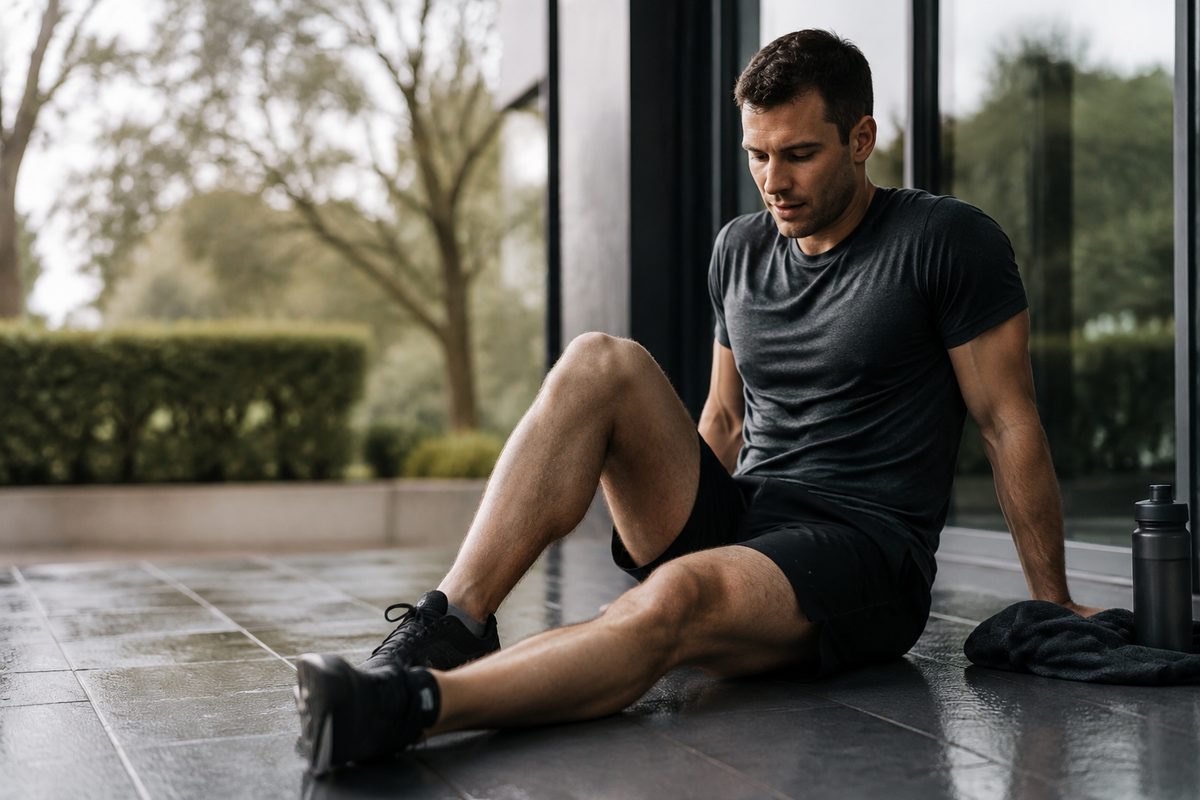
Crossing the marathon finish line is the end of the race, not the end of the physical demand. In the hours that follow, heavy legs, soreness, reduced appetite and disrupted sleep can make simple decisions harder.
The best recovery plan is not a punishment protocol. It restores basic needs, checks for injury and gives the body time before normal training resumes.
The finish area
Keep moving gently after stopping, collect warm clothing and begin drinking according to thirst and conditions. Eat something tolerable with carbohydrate and protein when you can.
Seek medical help for collapse, confusion, chest pain, severe breathlessness, persistent vomiting, inability to keep fluids down or other concerning symptoms. Do not leave a struggling runner alone.
The first evening
Change into dry layers, eat a balanced meal and prepare for sleep. Alcohol can worsen dehydration and judgement, and it should never be combined with cold immersion.
Check feet, skin and any area that became painful during the race. A compression device should not be placed over damaged skin or an unexplained swollen limb.
The next day
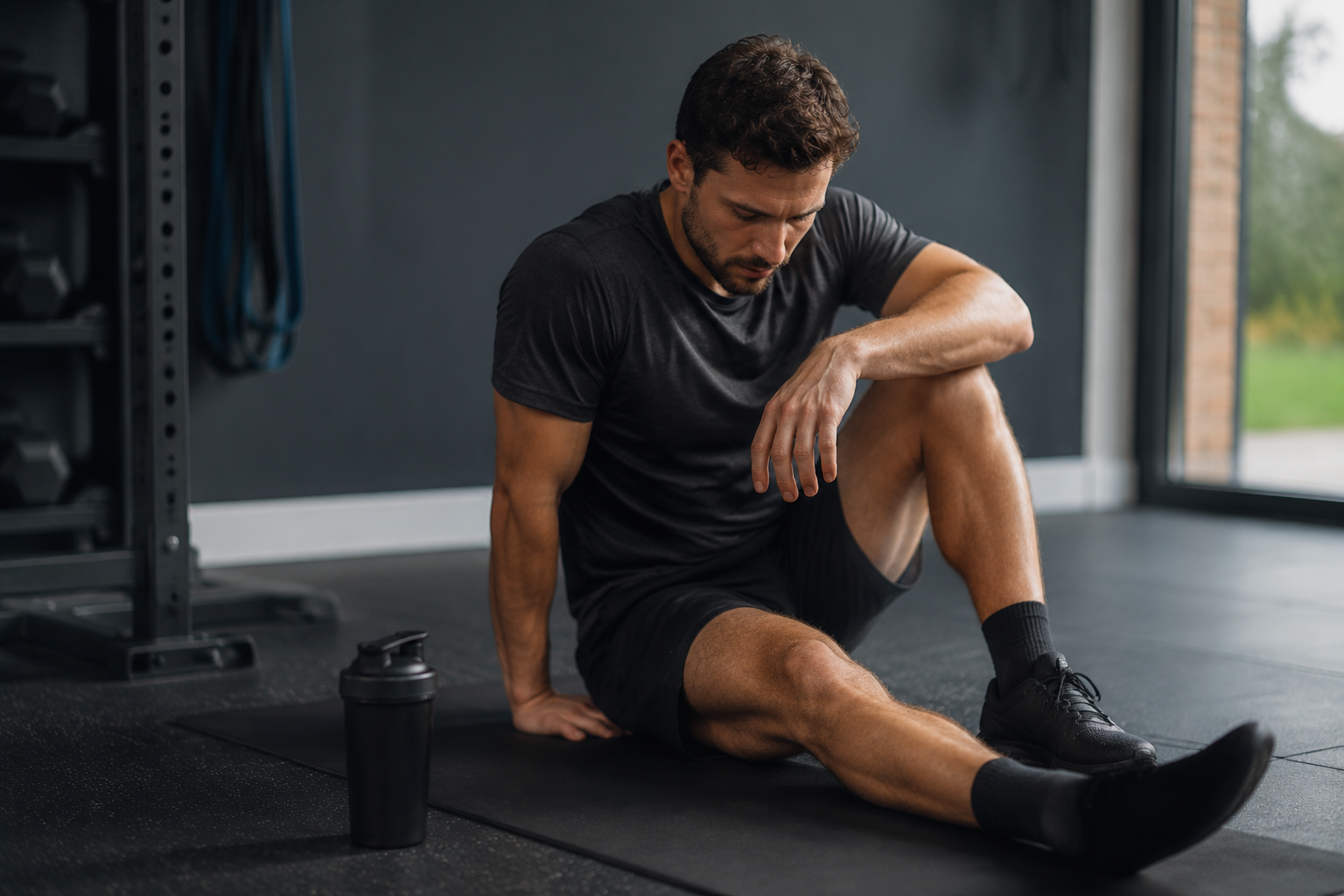
A short, comfortable walk may help you assess movement, but there is no need to prove fitness. Use stairs carefully and delay running until your gait and daily movement feel normal.
General bilateral soreness is expected; focal pain, marked swelling, weakness or pain that worsens deserves professional advice.
Where compression and cold may fit
Compression boots can provide structured downtime and may reduce perceived soreness for some users. Use comfortable settings and screen for conditions that make compression unsuitable.
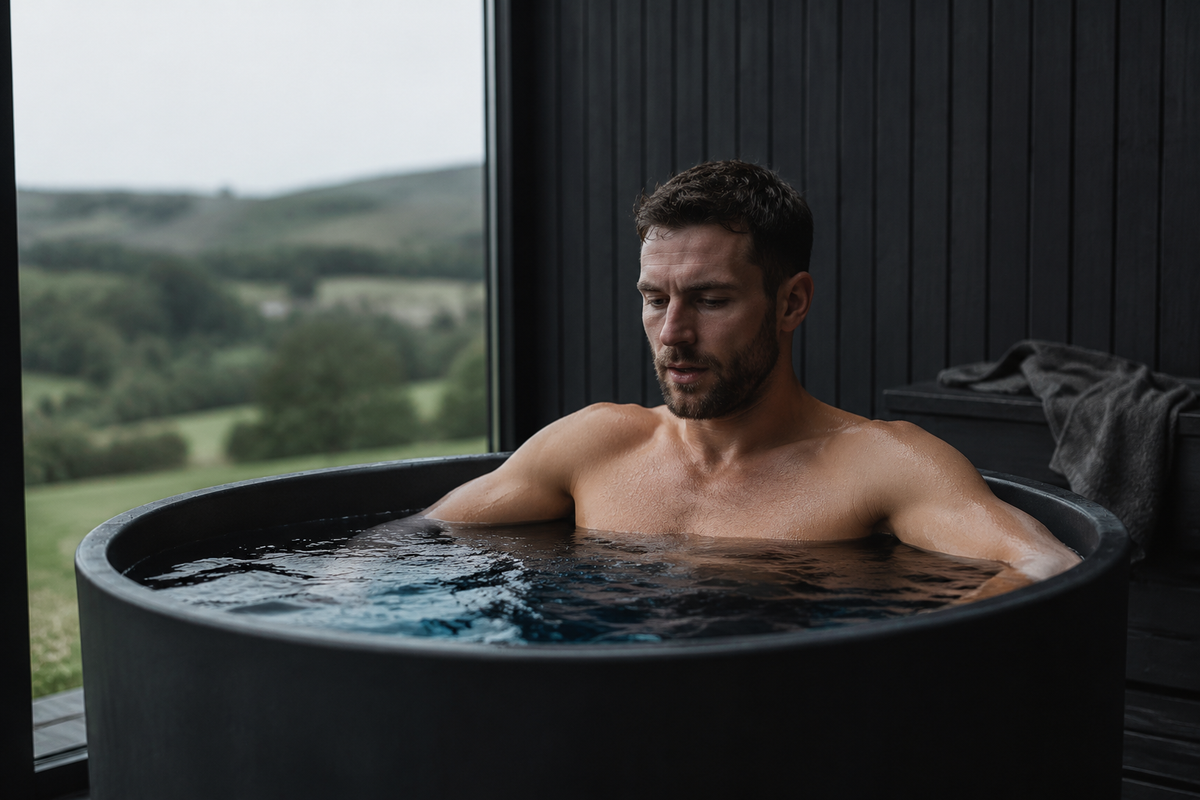
Cold-water immersion may also reduce soreness, but it introduces cold-shock risk and is optional. Choose one intervention conservatively rather than stacking extreme methods while exhausted.
Why this Phase One product was chosen
PhaseFlow is the main match because marathon fatigue is usually a whole-leg experience and the boots provide a calm, two-leg compression routine. PhaseChill is an alternative for experienced, medically suitable users who deliberately choose cold-water immersion. Neither device replaces post-race medical care or gradual return to running. You can also compare it with PhaseChill™ Portable Ice Bath Recovery Tub when a different recovery method better matches the goal.
Explore PhaseFlow™ Leg Compression Recovery System — wearable air-compression boots created for structured lower-body recovery and post-training downtime.
Visit Phase One Recovery to compare the full at-home recovery range.
Safety note
This article provides general educational information and is not medical advice. Phase One Recovery products are wellness and comfort devices; they do not diagnose, treat, cure or prevent injury or disease. Do not use a recovery device to delay assessment or mask symptoms before activity. Follow the product instructions and seek advice from a GP, physiotherapist, pharmacist or NHS 111 when symptoms are severe, worsening, unexplained or persistent. Call 999 for an emergency.

Leave a comment
This site is protected by hCaptcha and the hCaptcha Privacy Policy and Terms of Service apply.