
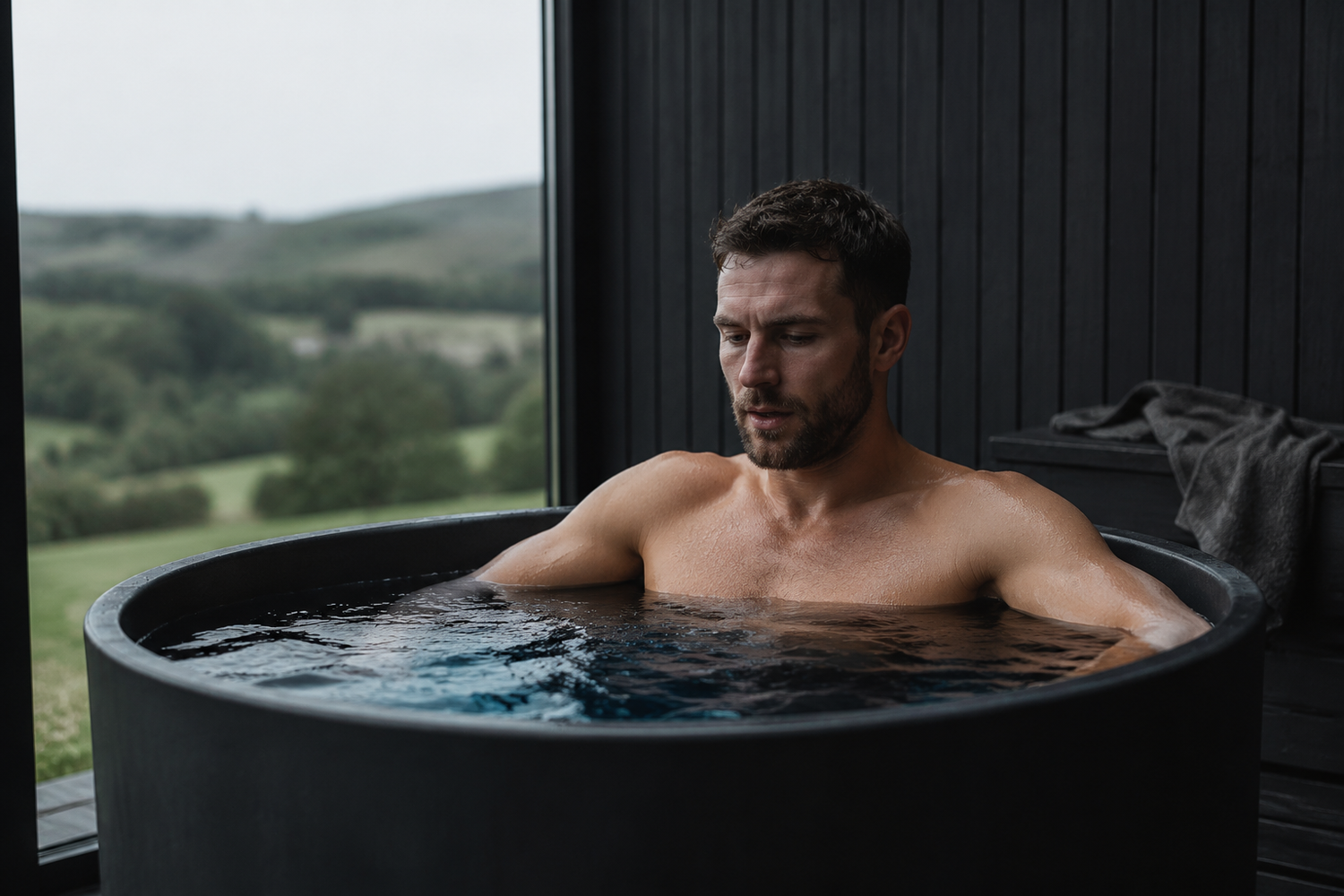
After a hard match, cold water can feel like a decisive reset. It may reduce perceived soreness for some athletes, which can be useful when another match follows quickly. It does not diagnose a knock, repair a strain or guarantee readiness.
The decision should account for the schedule, the player’s health, the type of training adaptation desired and whether any injury first needs assessment.
Check injuries before immersion
Record collisions, twists and sudden pulls while the match is fresh. Marked swelling, inability to bear weight, deformity, instability, numbness or severe pain needs appropriate medical advice.
Cold can temporarily reduce pain perception. That may be useful for comfort, but it can also make an unassessed injury feel less concerning than it is.
Match the method to the schedule
When recovery time is short, reducing soreness may be valued. During a normal training week, passive recovery, sleep and sensible load management may be enough. Not every session needs an intervention.
If strength and muscle adaptation are major priorities, avoid turning immediate cold immersion after every resistance session into an automatic habit.
Control the exposure
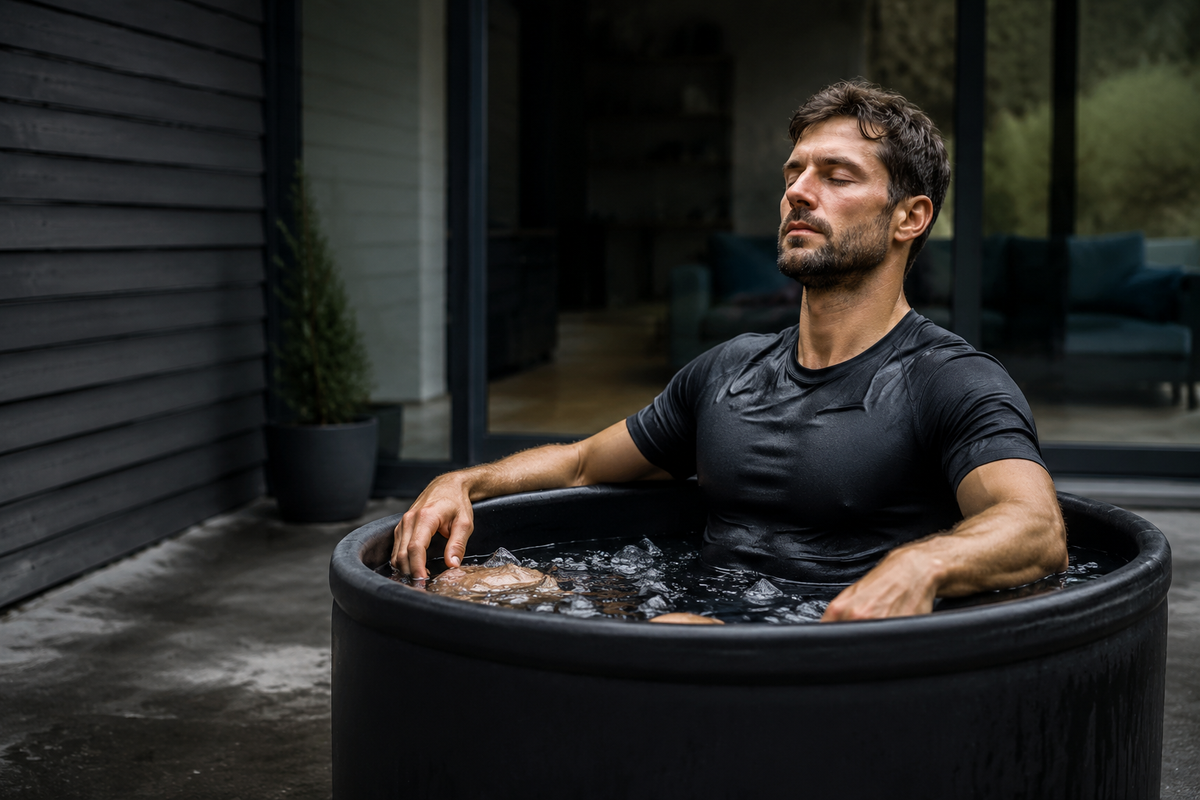
Prepare the exit, use supervision and start with a conservative temperature and duration. Enter gradually and keep breathing under control. Stop for chest pain, palpitations, severe breathlessness, dizziness, confusion or loss of coordination.
Players with heart, circulatory or respiratory conditions should obtain medical advice before cold immersion. Minors need responsible adult supervision and age-appropriate professional guidance.
Complete the recovery picture
Cold water does not replace fluids, food, dry clothing, warmth and sleep. On away days, logistics often decide whether recovery succeeds, so prepare these before kickoff.
Assess the player again the next morning. Match availability should be based on symptoms and function, not willingness to tolerate cold.
Why this Phase One product was chosen
PhaseChill fits teams and home users who want a repeatable portable tub for planned cold-water sessions. It is a recovery environment, not an injury-treatment system, and safe supervision and screening remain essential.
Explore PhaseChill™ Portable Ice Bath Recovery Tub - a portable home ice bath that makes planned cold-water immersion easier to build into a training routine.
Visit Phase One Recovery to compare the full at-home recovery range.
Safety note
This article provides general educational information and is not medical advice. Phase One Recovery products are wellness and comfort devices; they do not diagnose, treat, cure or prevent injury or disease. Do not use a recovery device to delay assessment or mask symptoms before activity. Follow the product instructions and seek advice from a GP, physiotherapist, pharmacist or NHS 111 when symptoms are severe, worsening, unexplained or persistent. Call 999 for an emergency.

Leave a comment
This site is protected by hCaptcha and the hCaptcha Privacy Policy and Terms of Service apply.