
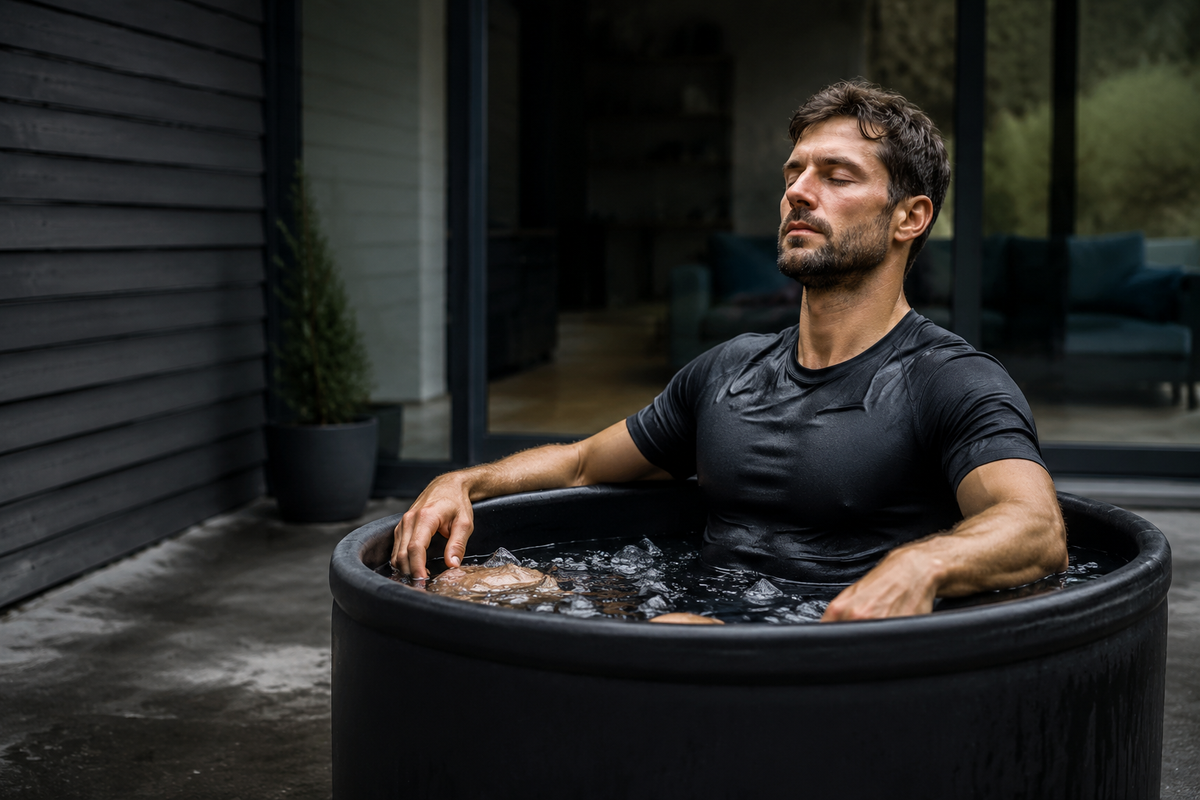
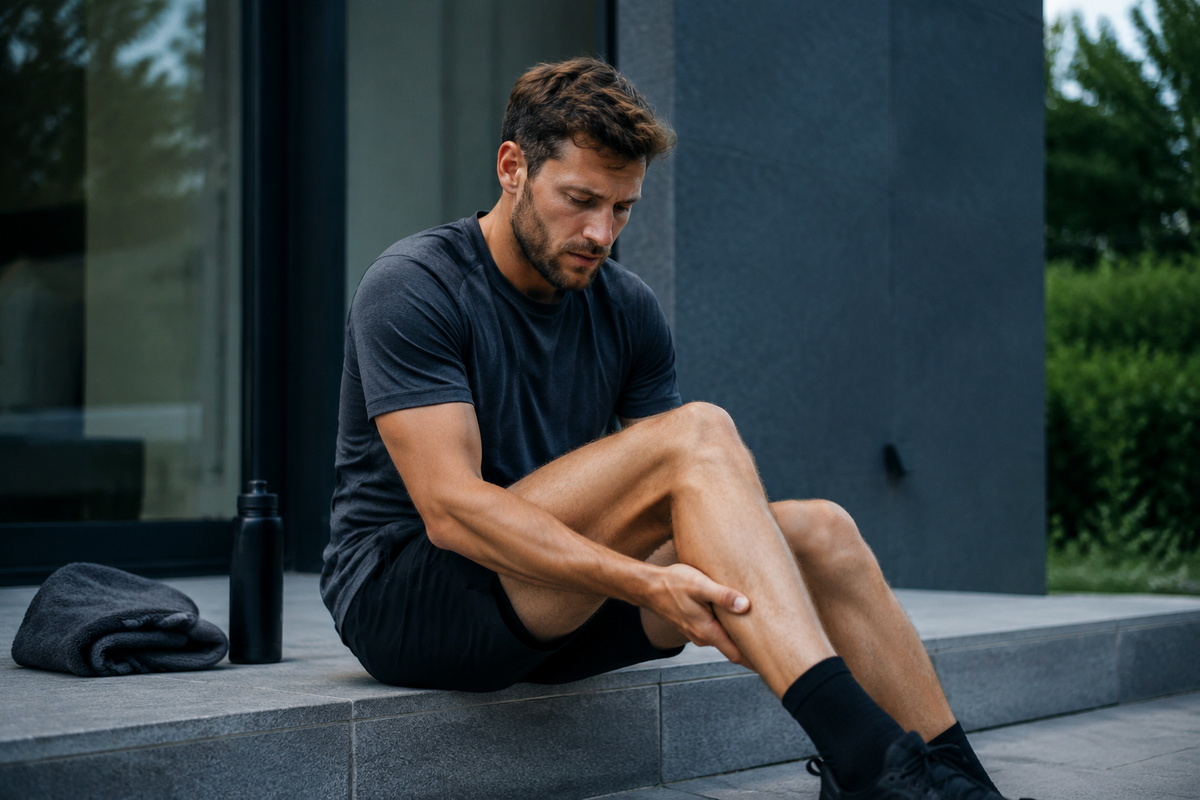
Ice baths are visually dramatic, which can make the evidence appear more certain than it is. Cold-water immersion may reduce perceived muscle soreness after some forms of exercise, but outcomes vary and a colder, longer session is not automatically more effective.
The method should serve the training goal. An endurance athlete preparing for another event may make a different choice from someone trying to maximise long-term strength and muscle adaptation.
What research suggests
Systematic reviews have found that cold-water immersion can reduce self-reported soreness compared with passive recovery in some contexts. That is a change in how sore people feel, not proof that every tissue has recovered faster.
Studies use different temperatures, durations, exercise types and participants, so copying one headline protocol is not sensible. Personal response and safety also matter.
Why the goal changes the decision
Rapid recovery between matches or events may be the priority in a congested schedule. In contrast, regularly using cold water immediately after resistance training may blunt some training adaptations according to reviews of the available evidence.
This does not make cold ‘good’ or ‘bad’. It means recovery methods have trade-offs and should be programmed, not performed out of habit.
Cold shock is real
Entering very cold water can rapidly increase breathing, heart rate and blood pressure. People with heart, circulatory or respiratory conditions should seek medical advice before cold immersion, and nobody should use an ice bath alone when there is a risk of fainting or distress.
Enter gradually, keep the head out, use a timer, have warm dry clothing ready and leave immediately if you feel chest pain, palpitations, severe breathlessness, confusion, dizziness or loss of control.
Use the minimum effective ritual
Begin with cool rather than extreme water and a brief exposure. There is no prize for staying until numb. Never add so much ice that temperature becomes uncontrolled, and avoid alcohol before or after immersion.
Record why you used the bath and how the next session felt. If the ritual is only about proving toughness, it may not be serving recovery.
Why this Phase One product was chosen
PhaseChill is chosen because it provides a portable, dedicated tub for people who have decided that cold-water immersion suits their goals and health. It makes the routine easier to set up; it does not remove cold-shock risk or guarantee performance benefits.
Explore PhaseChill™ Portable Ice Bath Recovery Tub - a portable home ice bath that makes planned cold-water immersion easier to build into a training routine.
Visit Phase One Recovery to compare the full at-home recovery range.
Safety note
This article provides general educational information and is not medical advice. Phase One Recovery products are wellness and comfort devices; they do not diagnose, treat, cure or prevent injury or disease. Do not use a recovery device to delay assessment or mask symptoms before activity. Follow the product instructions and seek advice from a GP, physiotherapist, pharmacist or NHS 111 when symptoms are severe, worsening, unexplained or persistent. Call 999 for an emergency.
Leave a comment
This site is protected by hCaptcha and the hCaptcha Privacy Policy and Terms of Service apply.