
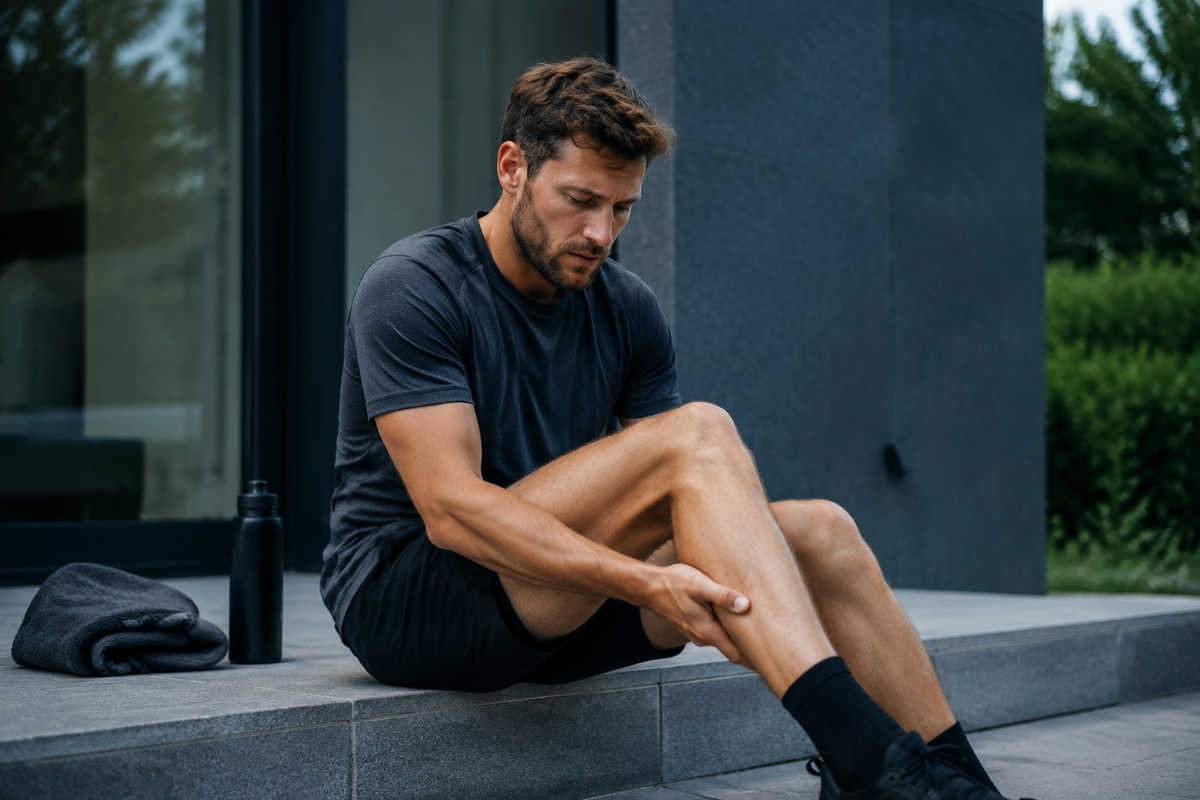
‘Heat or ice?’ sounds like a simple recovery question, yet timing and symptoms matter. Gentle warmth can feel soothing for stiffness; cold can reduce pain and swelling after some new injuries. Neither choice tells you what the injury is.
Use this guide to understand the broad principles, then follow advice from a clinician who knows your history when symptoms are significant or persistent.
For a new sprain or strain
NHS guidance recommends protection, rest, ice, compression and elevation for the first two to three days of many sprains and strains. Heat, alcohol and massage are generally avoided initially because they may increase swelling.
Ice should be wrapped rather than placed directly on skin, used for limited periods and stopped if the skin becomes painful, very pale or unusually coloured. Reduced sensation makes temperature methods riskier.
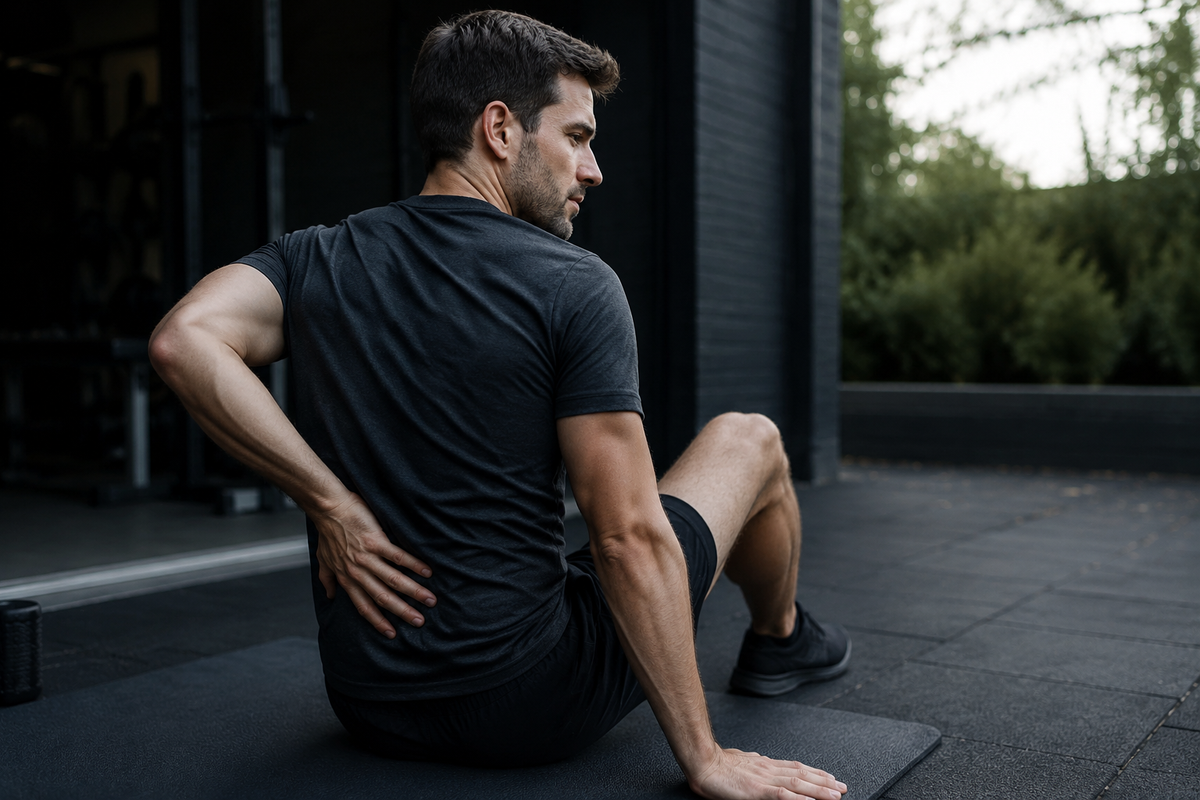
For longer-standing stiffness
Gentle warmth can be soothing when muscles feel tight or a joint feels stiff and there is no new swelling or contraindication. Warm-not painfully hot-is enough, and the skin should be checked regularly.
Do not sleep on a heat source or use it over damaged skin. Seek advice if you have impaired sensation, circulation problems or a condition that affects temperature awareness.
For delayed-onset muscle soreness
Research suggests both heat and cold may reduce perceived DOMS in some settings, but protocols differ and the evidence does not turn either method into a cure. Sleep, food, hydration and sensible training progression remain essential.
Frequent cold-water immersion immediately after strength training may also influence adaptation, so athletes should match the method to the goal rather than use it automatically after every session.
When neither is the answer
Severe pain, deformity, major swelling, inability to use the area, progressive numbness, fever or symptoms following significant trauma require assessment. Temperature can change sensation without addressing the cause.
If discomfort keeps returning, build a plan with a physiotherapist or other suitable professional instead of cycling between heat and ice indefinitely.
Why this Phase One product was chosen
PhaseCore represents the heat side of this decision for non-acute lower-back comfort. Its adjustable warmth and pulse-style modes are useful only when heat is appropriate. For knee or shoulder comfort, PhaseFlex and PhasePulse offer region-specific alternatives, but none should be used as acute injury treatment.
Explore PhaseCore™ Lumbar Recovery System - a wearable lumbar system offering targeted warmth, pulse-style support and LED light modes for lower-back comfort routines.
Visit Phase One Recovery to compare the full at-home recovery range.
Safety note
This article provides general educational information and is not medical advice. Phase One Recovery products are wellness and comfort devices; they do not diagnose, treat, cure or prevent injury or disease. Do not use a recovery device to delay assessment or mask symptoms before activity. Follow the product instructions and seek advice from a GP, physiotherapist, pharmacist or NHS 111 when symptoms are severe, worsening, unexplained or persistent. Call 999 for an emergency.

Leave a comment
This site is protected by hCaptcha and the hCaptcha Privacy Policy and Terms of Service apply.