
Building familiarity over several sessions while watching how the body responds is the real reason people search for leg compression recovery. The useful question is not whether one product can “fix” recovery; it is how to build a safe, repeatable routine around training load, rest, hydration and symptoms.
This guide explains where PhaseFlow™ Leg Compression Recovery System may fit. It is written for active people, travellers and workers who want a calmer lower-body recovery routine. Phase One Recovery products support general wellness and comfort routines; they are not medical devices and do not diagnose, treat or heal injuries.
The situation this guide addresses
Building familiarity over several sessions while watching how the body responds can make recovery feel complicated. People often respond by doing too much too soon, copying somebody else’s settings or expecting equipment to replace sleep, nutrition and sensible progression. A better approach is to define the purpose of the session before it starts.
For this article, the goal is a measured first-week structure. That keeps the decision focused on what is practical today rather than on dramatic promises.
Where PhaseFlow™ fits
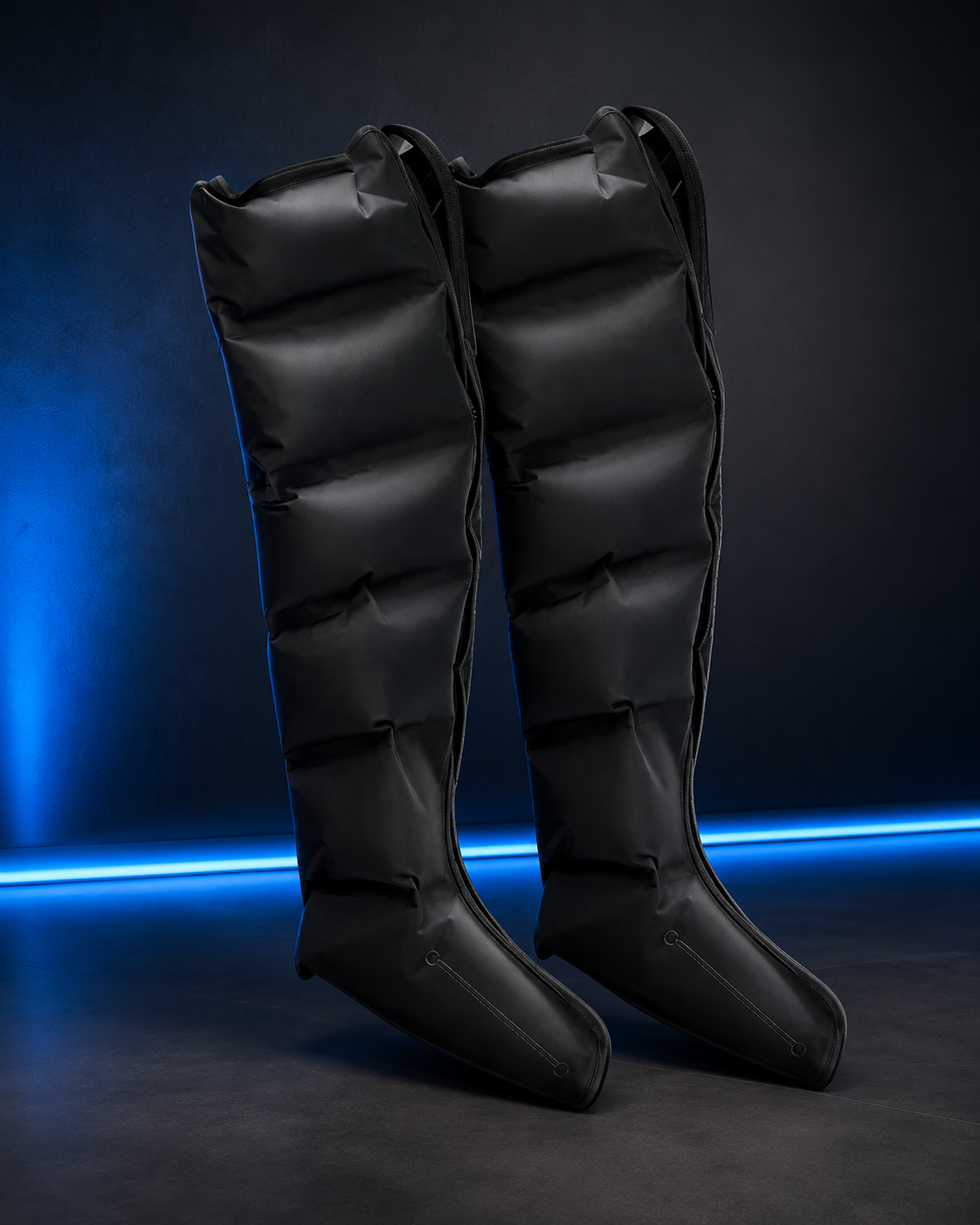
PhaseFlow™ Leg Compression Recovery System is wearable air-compression boots that provide rhythmic pressure-style support across the legs, calves and feet. It is best viewed as one part of a wider routine. The product can help create structure and make the chosen recovery sensation easier to use at home, but it cannot tell you what an injury is or whether exercise is medically safe.
Use the product page to check the current specification, price and included components before ordering: view PhaseFlow™ Leg Compression Recovery System.
A practical routine
- 1. Choose the correct boot length and plug option before beginning.
- 2. Fit both boots evenly and check that hoses and fastenings are secure.
- 3. Start with a comfortable pressure level while resting in a supported position.
- 4. Allow the programmed compression cycle to work without adding strenuous exercise.
- 5. Wipe down and store the boots carefully after the session.
The correct intensity is the one that remains comfortable, controlled and repeatable. More pressure, more heat, more cold or a longer session is not automatically better. Change one variable at a time so you can understand how your body responds.
What to expect—and what not to expect
A well-planned session may help you feel more organised and comfortable as you wind down. Results are personal and can vary from day to day. Do not use a temporary change in sensation as proof that an injury has healed, and do not use the product to push through worsening pain.
Training recovery still depends on appropriate rest, adequate food and fluid, progressive exercise, sleep and medical assessment when symptoms warrant it. The equipment should make the routine easier to follow, not encourage extreme use.
Safety and warning signs
Do not use compression boots where deep-vein thrombosis, severe circulation problems, acute infection or another contraindication may be present. Seek urgent help for sudden one-sided swelling, chest pain or breathlessness.
Stop the session if you feel unwell or if symptoms become sharper, spread, or are accompanied by unusual weakness, numbness, swelling, breathing difficulty or chest pain. For further general information, read the NHS deep-vein thrombosis guidance.
Frequently asked questions
Should I use PhaseFlow™ every day?
Frequency depends on the product instructions, your health, your training and how you respond. Start conservatively, record the response and avoid increasing frequency simply because a session feels easy.
Can this replace professional treatment?
No. It is a general wellness product. Persistent, severe or unexplained symptoms should be assessed by an appropriate healthcare professional.
How do I know whether the routine is working?
Use practical measures: comfort during and after the session, whether normal movement feels manageable, and whether the routine supports—rather than disrupts—sleep and training. Stop and seek advice if the trend is worsening.
The Phase One approach
Phase One Recovery focuses on practical home routines built around cold, heat, compression and targeted wearable support. The aim is not to promise a shortcut. It is to give active people clearer tools for consistent recovery habits.
Next step: check PhaseFlow™ Leg Compression Recovery System, review the full safety information and decide whether it suits your space, routine and health.

Leave a comment
This site is protected by hCaptcha and the hCaptcha Privacy Policy and Terms of Service apply.