
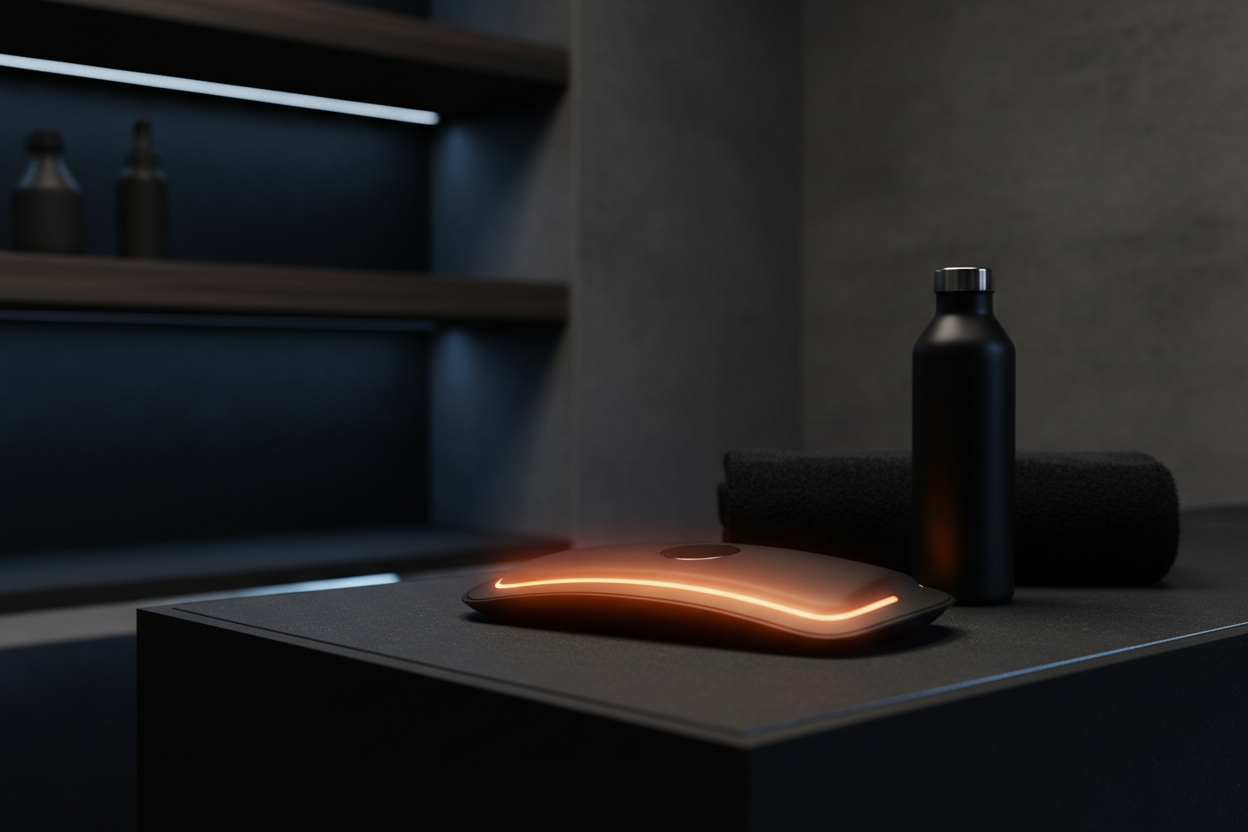
Whether you train regularly, work long hours, spend time on your feet or simply want a calmer wind-down routine at home, heat therapy has become one of the most widely used tools in everyday recovery. In this guide, we'll walk through what heat therapy is, when people use it, and how wearable heat systems can fit into a simple, practical home recovery routine.
What Is Heat Therapy?
Heat therapy — sometimes called thermotherapy — refers to the application of warmth to a specific area of the body. It can be delivered in many forms: heated pads, wraps, belts, electric heat systems or wearable devices designed to sit against the skin and deliver consistent, targeted warmth over a period of time.
Unlike cold therapy, which is typically used immediately after acute injury or intense exertion, heat is generally used as part of a longer-term recovery or comfort routine — applied to areas that feel tight, stiff or fatigued after activity, long periods of sitting, standing or repetitive movement.
Why People Use Heat as Part of a Recovery Routine
Heat has been used as a comfort and recovery tool for centuries, and for good reason. When applied to a tired or tense area, warmth can help the surrounding muscles and tissue feel more relaxed and at ease. Many people find that a short heat session supports a sense of comfort and helps them feel more settled after a demanding day.
Common reasons people incorporate heat into their recovery routines include:
- Supporting comfort in areas that feel tight or stiff after training or physical activity
- Helping the body feel more relaxed after long periods of sitting, driving or desk work
- Easing the feeling of tension in the lower back, knees or shoulders after a long shift
- Creating a calmer, more intentional wind-down routine at the end of the day
- Supporting a consistent home recovery habit without the need for clinic visits or complicated setups
When Heat Therapy May Be Useful
Heat is generally considered most useful when the body feels stiff, tight or fatigued — rather than immediately after intense exertion or acute discomfort. Many people find it works well as part of an evening routine, a rest-day recovery session or a mid-day reset during a long workday.
Situations where people commonly use heat therapy as part of their routine:
- After training or exercise — particularly on rest days or as part of a cool-down routine
- After long workdays — especially for those in standing jobs, healthcare, retail or hospitality
- After extended sitting or driving — to support comfort in the lower back, hips and legs
- During travel recovery — to help the body feel more settled after long journeys
- As part of a morning routine — to help the body feel more comfortable before starting the day
Note: If you are managing a health condition, recovering from surgery or experiencing acute discomfort, always consult a healthcare professional before using heat therapy.
How Wearable Heat Systems Fit Into Home Routines
One of the biggest shifts in recovery over the past few years has been the move towards wearable, portable heat systems that can be used at home without any professional setup. Rather than visiting a clinic or booking a treatment, more people are building simple recovery habits into their daily routines using wireless, rechargeable heat wraps and belts.
Wearable heat systems are designed to:
- Deliver targeted warmth directly to the area that needs support
- Be used hands-free, so you can rest, read or relax during a session
- Fit into short windows of time — a 20–30 minute session in the evening or during a break
- Be adjusted to different heat levels to suit your comfort preference
- Work as part of a broader recovery routine alongside compression, stretching or rest
The key advantage of a wearable system is consistency. A short, regular heat session built into your routine is generally more beneficial than an occasional longer session — and wearable devices make that consistency much easier to maintain.
Heat Therapy for Knees, Shoulders and Lower Back
Knees
The knee is one of the most commonly fatigued areas of the body, particularly for people who train regularly, walk long distances, stand for extended periods or spend time on hard flooring. A wraparound heat system designed for the knee area can help support comfort and ease the feeling of stiffness around the joint after activity or a long day.
Shoulders
Shoulder tension is extremely common — particularly for people who work at desks, drive frequently or carry bags and equipment regularly. A wearable shoulder heat wrap can help the surrounding area feel more relaxed and supported, making it a useful addition to an evening recovery routine or a rest-day session.
Lower Back
The lower back is one of the areas people most commonly associate with heat therapy. Whether the tension comes from long periods of sitting, physical work, driving or training, a heated lumbar support belt can deliver consistent warmth to the lower back area and help support a sense of comfort and relaxation during a recovery session.
Safety Tips for Using Heat Therapy at Home
Heat therapy is widely used and generally well-tolerated, but there are a few important guidelines to follow when using wearable heat systems at home:
- Do not use while sleeping. Always use heat therapy while awake and able to monitor the temperature.
- Do not apply to broken, irritated or sensitive skin. Always ensure the skin is healthy and intact before use.
- Start on a lower heat setting and adjust gradually to find a comfortable level.
- Follow the recommended session times provided with your device — typically 20–30 minutes per session.
- Stop use immediately if you experience any discomfort, irritation or unusual sensation.
- Consult a healthcare professional before use if you are pregnant, diabetic, fitted with a pacemaker or medical implant, recovering from surgery or managing a serious health condition.
Heat therapy is a general wellness and comfort tool — it is not a medical treatment and should not replace professional medical advice or care.
How Phase One Recovery Heat Systems Fit Into Your Routine
At Phase One Recovery, our heat-focused recovery systems are designed around one simple idea: targeted warmth, delivered consistently, as part of a practical home recovery routine.
Our range includes wearable heat wraps and support systems for the knee, shoulder and lower back — each designed to be wireless, rechargeable and easy to use at home without any complicated setup. Whether you're winding down after training, recovering from a long shift or simply building a calmer evening routine, Phase One heat systems are built to support your comfort and fit around real life.
Every product in our heat therapy range is chosen to work as part of a broader recovery system — not as a standalone gadget, but as a practical tool that sits alongside compression-style recovery, rest and movement as part of a consistent routine.
Build Your Heat Therapy Routine
If you're looking to add targeted heat support to your recovery routine, explore the Phase One Recovery heat therapy range. From knee wraps to lumbar belts and shoulder supports, our systems are designed to deliver consistent, wearable warmth wherever you need it most.

Leave a comment
This site is protected by hCaptcha and the hCaptcha Privacy Policy and Terms of Service apply.